Insight details
Alibaba Is Only One Channel: Other Ways Buyers Find Chinese Suppliers
Alibaba is often the first stop for overseas buyers. It is easy to search, easy to message suppliers, and useful for getting a quick feel for a product category.
It is also only one channel.
Some suppliers focus on other export platforms. Some sell mainly inside China. Some are easier to find through trade fairs, Chinese search, or local supplier networks. The best route depends on the product, quantity, specification, and how much follow-up the buyer can manage. Whatever channel you use, the next step is still checking a Chinese supplier before paying a deposit.
Alibaba
Alibaba is useful for export-oriented suppliers, product discovery, English communication, and common product categories.
It is a good starting point, but the buyer still needs to check supplier identity, quotation details, sample terms, payment terms, inspection access, and shipment readiness. A supplier profile is not a finished sourcing decision.
Risks to watch on Alibaba
- Quality control issues: Not all suppliers on Alibaba have consistent quality assurance processes. Product defects, poor craftsmanship, or discrepancies between what is promised and what is delivered are common concerns. Work with a sourcing partner or third-party inspection provider to review supplier signals before moving forward.
- Scams and fraudulent sellers: Some suppliers may offer unusually attractive terms, only to disappear once a payment is made or deliver substandard goods. Review suppliers carefully. Look at business information, product fit, communication quality, quotation logic, and warning signs before payment.
- Shipping and delivery delays: The actual logistics can be unpredictable. Delays with international shipments can disrupt your supply chain. Consider China-side follow-up and logistics coordination where applicable.
- Intellectual property risks: Some suppliers may infringe on patents, trademarks, or copyrights. Conduct thorough due diligence on suppliers, ensuring they have the right to produce the items they are offering.
- Communication and language barriers: Language and cultural barriers can make it difficult to negotiate and confirm details such as product specifications, quality standards, and delivery schedules. Work with a sourcing agent who is fluent in the relevant languages and familiar with local business practices.
- Inconsistent supplier behavior: There is a wide range of suppliers on Alibaba, from established manufacturers to small businesses just starting out. Some may not have the capacity or reliability to handle large orders or meet specific delivery deadlines.
- Prevalence of middlemen: Many suppliers on the platform may not be the manufacturers themselves but intermediaries. Middlemen can add layers of complexity, increasing costs, reducing transparency, and introducing communication barriers. Verify whether the supplier is a manufacturer, trading company, agent, or another intermediary layer.
Made-in-China
Made-in-China is another platform many export suppliers use. It can be useful for machinery, industrial products, components, construction materials, hardware, and technical categories.
For some products, it gives different supplier options from Alibaba. Buyers can use it to compare whether the same product category has stronger suppliers elsewhere.
The same rule applies: check the supplier, not just the platform listing.
1688
1688 is mainly a domestic Chinese wholesale and supplier platform. It can show local suppliers that may not focus on overseas marketing.
It can be useful for price reference, domestic supplier discovery, and product category research. Buyers comparing multiple routes can also review this guide to Alibaba alternatives for China sourcing. It can also be difficult for overseas buyers because many sellers expect Chinese communication, domestic payment, and domestic delivery.
A 1688 supplier may be useful, but export readiness needs to be checked.
Canton Fair and other trade fairs
Trade fairs let buyers see products, meet suppliers, and ask questions face to face. They are useful for comparing product quality and starting supplier relationships.
The follow-up matters more than the first meeting. After a fair, buyers still need to collect quotations, check supplier details, coordinate samples, confirm specifications, and decide whether the supplier is worth continuing with.
Google strategic search
Using Google search with carefully selected keywords and location filters, you can identify potential Chinese suppliers. When evaluating suppliers, distinguish between trading companies and manufacturers to understand whether a supplier may be connected to production sources.
Google can also help you discover B2B directories, industry websites, and supplier detail pages — providing useful references for procurement decisions.
Cross-checking Google results with information from other platforms such as Alibaba and Baidu helps build a more comprehensive understanding of Chinese suppliers.
Baidu and Chinese search
Some suppliers are easier to find through Chinese-language search. Baidu and Chinese company websites may show local factories, regional supplier clusters, or smaller manufacturers that do not appear strongly on export platforms.
Baidu can provide deeper information about local suppliers and companies. Monitoring a supplier's legal record and potential disputes helps you make more informed decisions when choosing a partner.
This route usually needs Chinese-language research and direct supplier communication. It can open more options, but it also requires more checking.
Local supplier networks
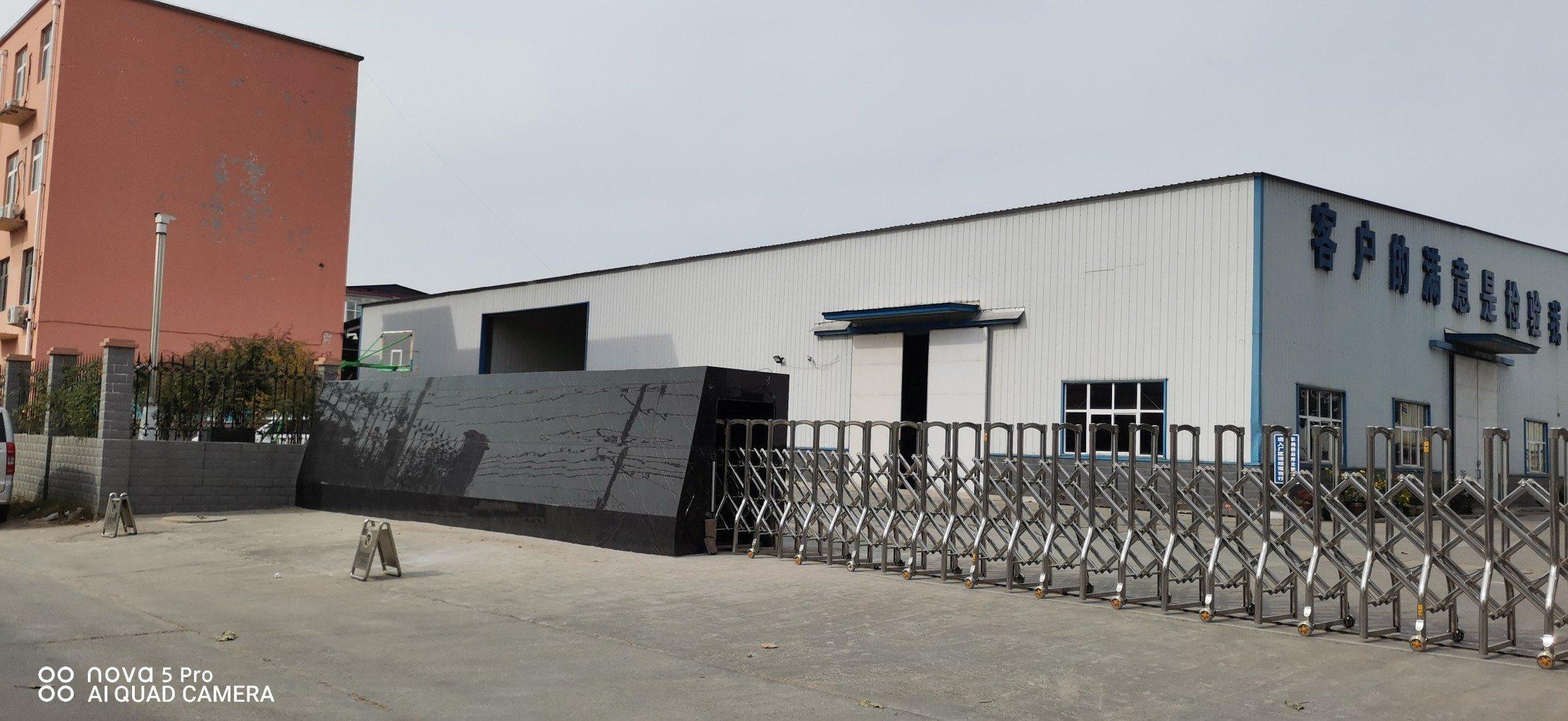
In China, supplier discovery often depends on product clusters, industry contacts, and local follow-up. This can be useful when platform results are repetitive or the product is specialized.
Local networks are not magic. They still need verification, quotation comparison, sample review, and production follow-up. They simply widen the search.
Existing supplier referrals
A supplier may introduce another supplier. This can save time, but it should not replace review.
Ask who the referred supplier is, whether they are related, what they produce, whether they can quote directly, and whether inspection or samples can be arranged.
Procurement agency services
For companies unfamiliar with the Chinese market or lacking procurement experience, working with a professional procurement agency can be a practical choice. Buyers comparing this route with platform-only sourcing can also see when a China sourcing agent adds local follow-up. With industry knowledge and market experience, these agents can support product specification review, quality follow-up, and procurement coordination.
Through close cooperation with a purchasing agent, companies can build clearer relationships with Chinese suppliers while reducing procurement uncertainty.
How to compare channels
Do not ask which channel is best in general. Ask which channel gives suitable suppliers for this product and order.
Compare supplier type, product fit, MOQ, price logic, sample ability, communication, export experience, inspection access, and shipment readiness.
How Alex Trading Group can help
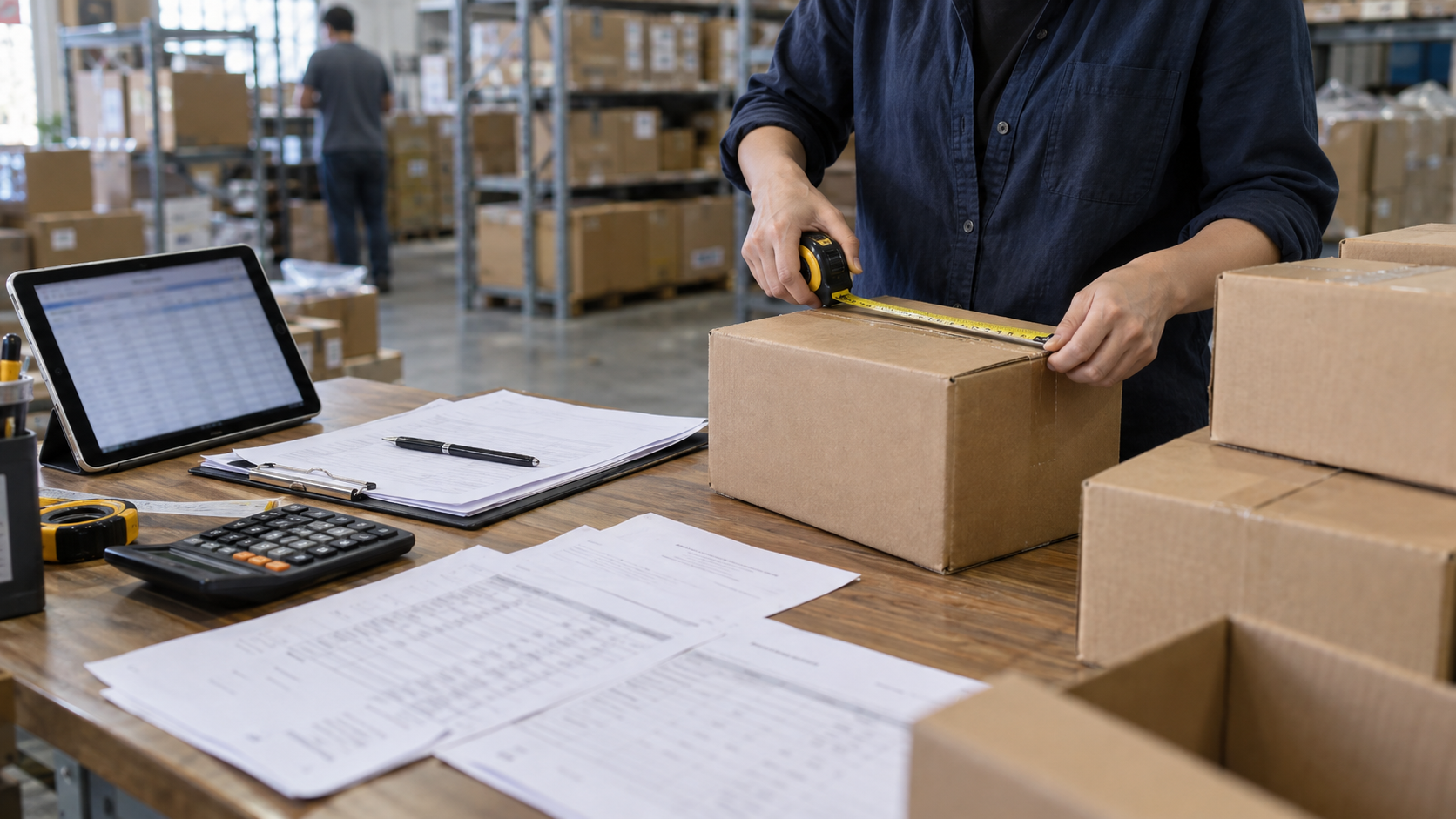
Alex Trading Group can help buyers search China-side supplier channels, review suppliers already found on Alibaba, Made-in-China, 1688, Canton Fair, Google, or Chinese search, and follow up quotations or samples in Chinese.
Send the supplier links, product details, quotation screenshots, target quantity, destination, and current sourcing stage.
FAQ
Is Alibaba enough for sourcing from China?
It can be enough for some simple products, but it does not cover every supplier option and does not replace supplier review. Quality issues, scams, communication barriers, and middlemen are still common risks that need attention.
Is 1688 suitable for overseas buyers?
Sometimes. It can show useful domestic supplier options, but communication, payment, export readiness, and logistics need careful handling.
What should I send for supplier channel review?
Send supplier links, product details, quotation screenshots, target quantity, destination, and any supplier communication you already have.
How can I find suppliers beyond Alibaba and B2B platforms?
Try Google search with targeted keywords, Baidu for local supplier information, trade fairs for face-to-face meetings, local supplier networks for specialized products, and procurement agencies for China-side support.