Insight details
China Container Loading Checklist for Overseas Buyers
Container loading feels like the final step, but it can still cause problems.
The goods may be finished, yet cartons may be damaged, labels may be missing, the packing list may not match, or the warehouse may not know what should load first. For multi-supplier shipments, loading day can become noisy fast.
A short loading checklist helps keep the shipment controlled.
Confirm cargo readiness
Before loading day, confirm that goods are finished, packed, checked where needed, labeled, and ready at the loading location.
Ask for carton quantity, packing list, carton photos, shipping marks, and warehouse or factory contact details. Do not rely only on the sentence "goods are ready."
Confirm the loading location
Loading may happen at a supplier factory, a warehouse, a forwarder warehouse, or a consolidation point.
Confirm the exact address, contact person, loading date, loading time, and who will be on site. If goods come from several suppliers, loading from a warehouse is usually easier to manage than collecting from several factories.
Check carton count and condition
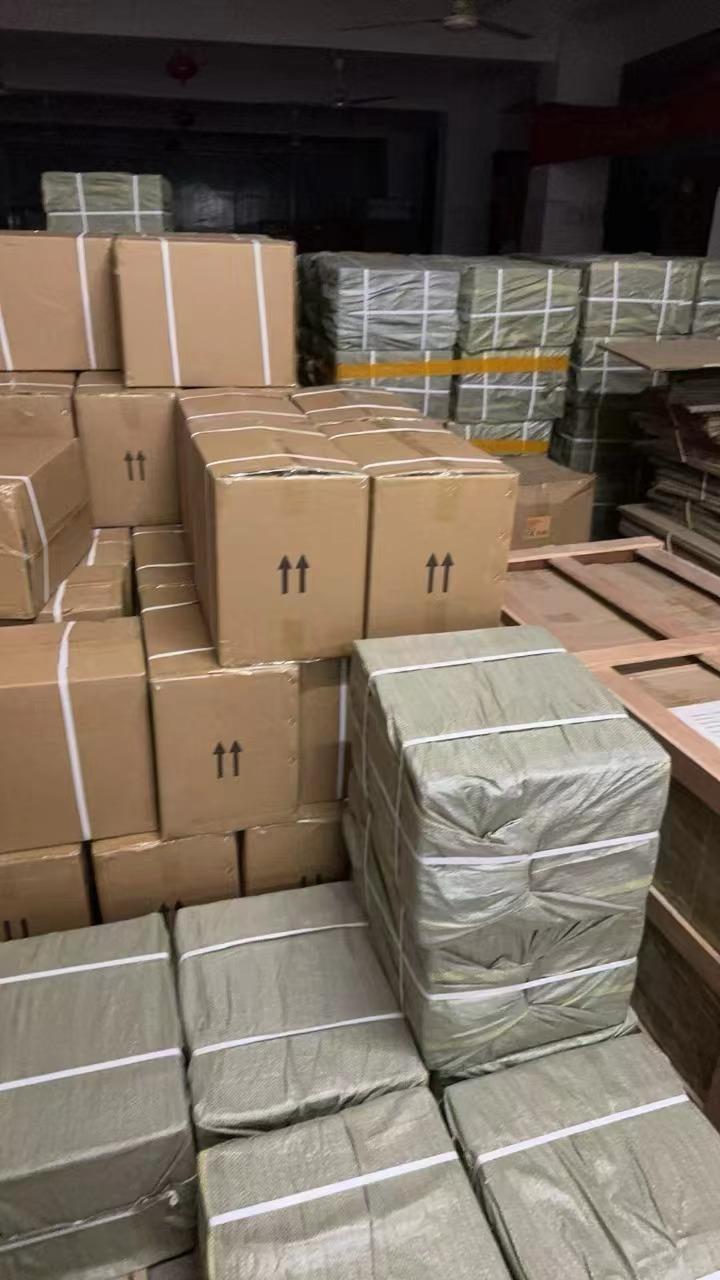
Before loading, check total cartons, cartons by SKU, carton condition, damaged cartons, wet cartons, weak packaging, missing labels, carton dimensions, and gross weight.
The carton count should match the packing list. If it does not, stop and clarify before the container leaves.
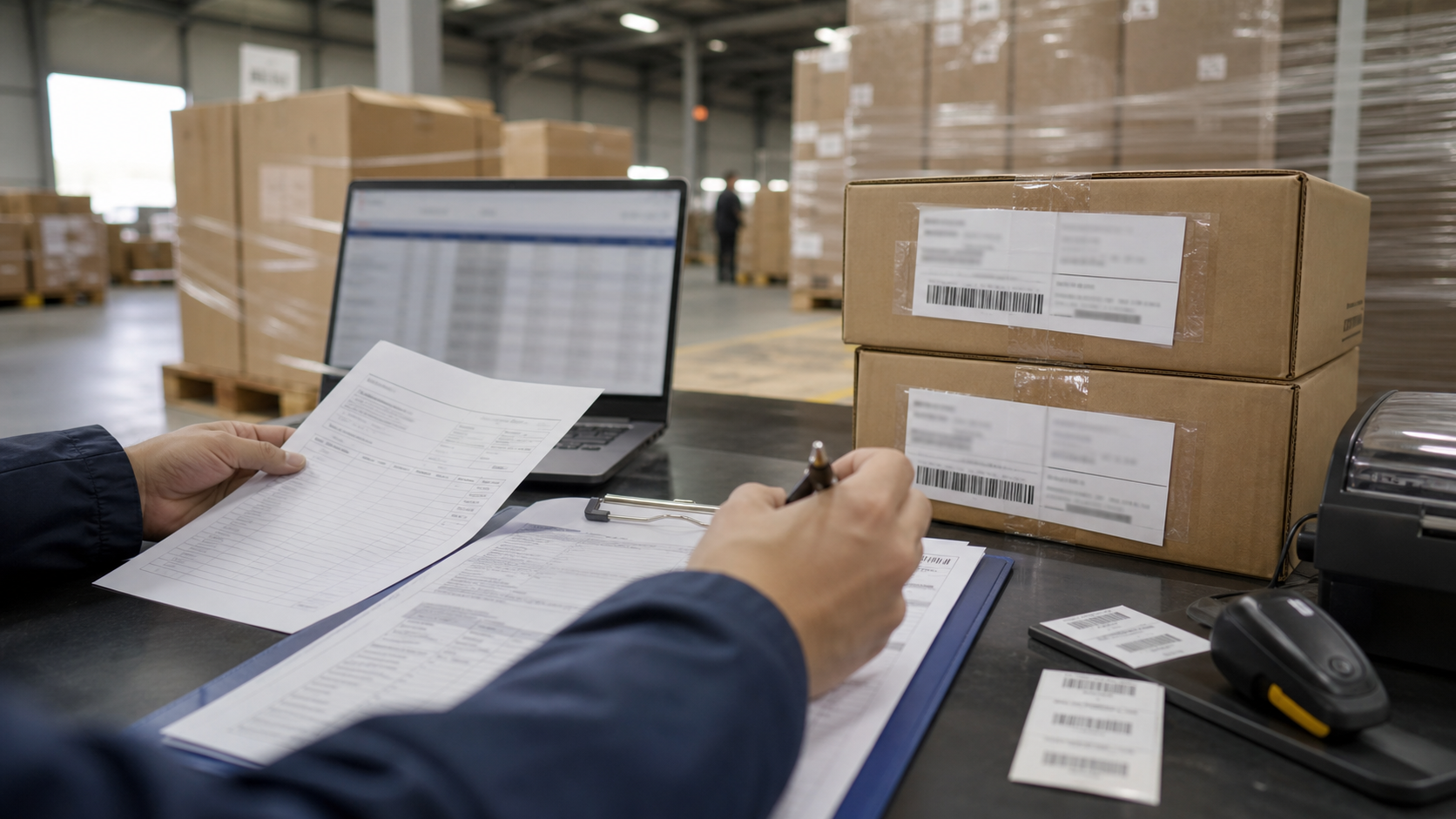
Check shipping marks and labels
Shipping marks help the buyer, warehouse, forwarder, and destination receiver identify goods.
Check buyer code, destination, SKU, carton number, quantity per carton, handling marks, warning labels, barcodes, and any retail labels required by the buyer.
Wrong labels can create headaches long after the container has left China.
Record container details
Save the container number, seal number, container type, truck plate number if available, loading time, loading address, forwarder contact, and destination port.
These details are useful for shipment records and communication with the forwarder.
Take loading photos
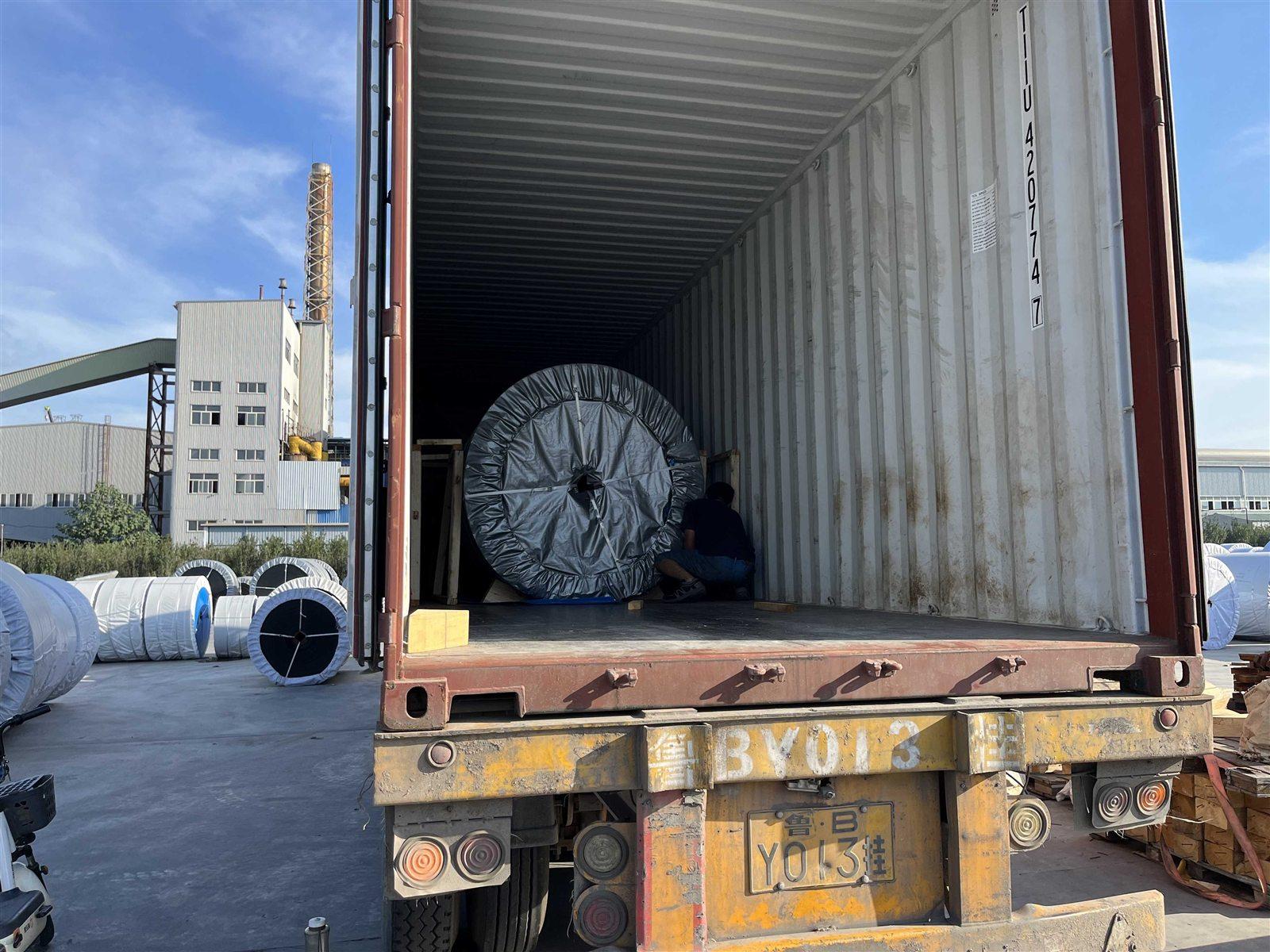
Ask for photos of the empty container, container number, seal number, goods before loading, carton labels, loading process, half-loaded container, fully loaded container, closed doors, and final seal.
Photos do not replace inspection. They simply give the buyer a loading record.
Loading records are useful after the goods have passed inspection. Buyers should also confirm product quality and shipment readiness before loading. See our pre-shipment inspection checklist for China orders.
Watch the loading method
Goods should be loaded in a way that reduces damage risk. Heavy goods should not crush fragile cartons. Weak cartons should not sit where they will collapse. Products that need separation should stay separated.
If the cargo has special handling requirements, tell the loading team before loading starts.
Coordinate with warehouse or supplier
The loading team should know which goods to load, which goods should not load, loading order, SKU grouping, photo requirements, and who to contact if something does not match.
Do not assume warehouse staff know the buyer's shipment plan. Give clear instructions.
Check documents
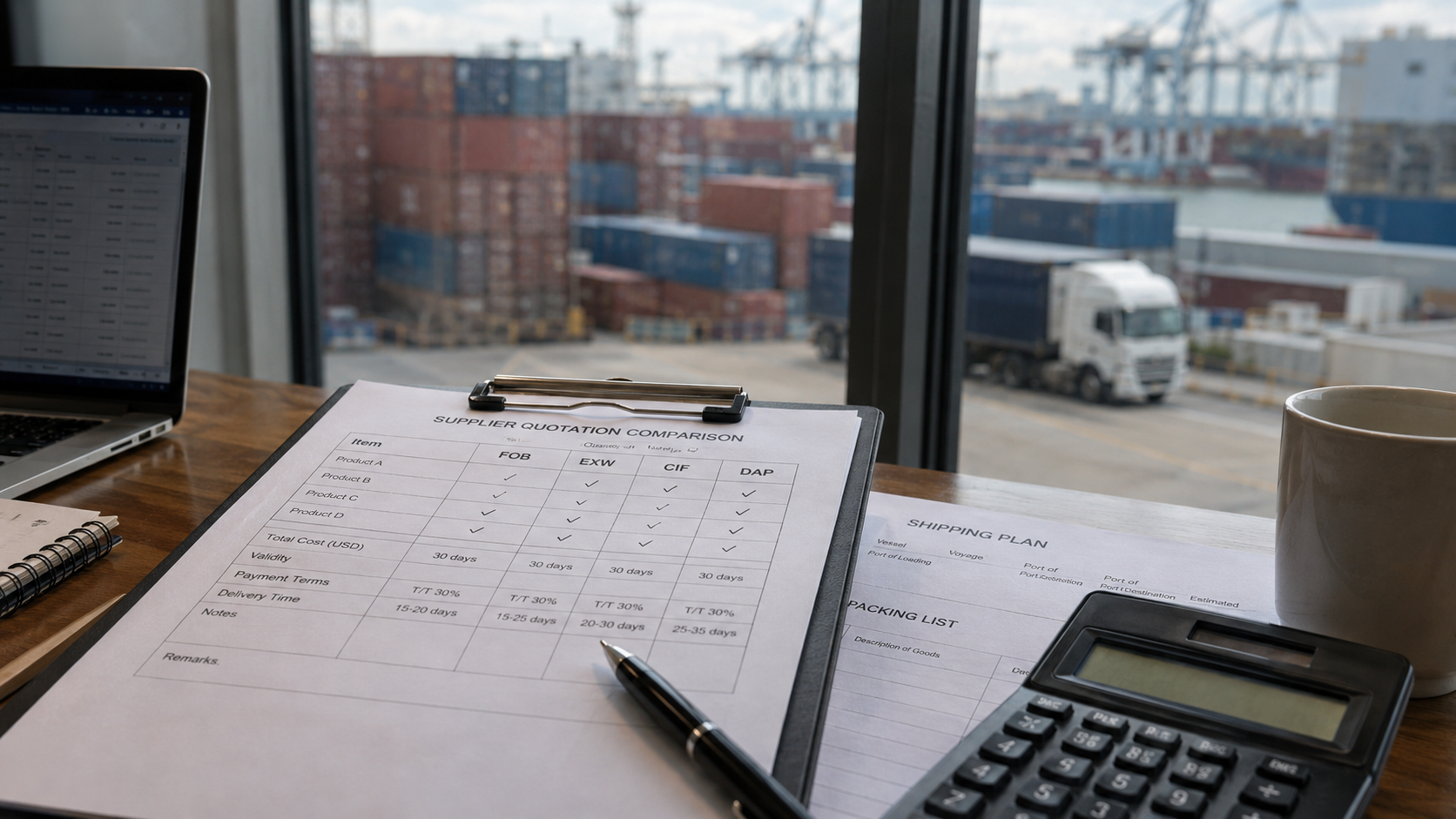
Before or soon after loading, confirm packing list, commercial invoice, container number, seal number, gross weight, carton quantity, destination information, buyer details, consignee details, and any special document requirements.
Document mistakes can follow the shipment all the way to destination.
For multi-supplier shipments
If goods come from multiple suppliers, confirm that all goods have arrived, cartons are checked, labels are consistent, repacking is finished, and the loading plan matches the consolidation list.
This is where early warehouse coordination pays off.
When goods come from several suppliers, warehouse receiving and consolidation need a separate plan. See our guide on how to consolidate goods from multiple suppliers in China.
How Alex Trading Group can help
For buyers managing their first China order, loading is one part of the complete import process. See our guide on how to import goods from China: a first-order workflow.
Alex Trading Group can support warehouse receiving, repacking, consolidation, loading preparation, container loading follow-up, and shipment planning where applicable.
If your goods are ready or nearly ready in China, send supplier details, packing list, carton information, warehouse needs, destination, forwarder details, and loading timeline.
FAQ
Is container loading the same as inspection?
No. Loading follow-up checks loading readiness and loading process. Inspection checks product and packaging quality before shipment.
Should I request loading photos?
Yes. Loading photos help document container number, seal number, carton condition, and loading process.
When should loading preparation start?
Start before goods arrive at the warehouse or loading location, especially when multiple suppliers are involved.