Insight details
How to Consolidate Goods from Multiple Suppliers in China
Sourcing from several Chinese suppliers can save money or give the buyer better product options. It can also turn shipment preparation into a knot.
For buyers managing their first China import order, consolidation is one part of the larger process. See our guide on how to import goods from China: a first-order workflow.
One supplier finishes early. Another is late. Cartons use different labels. One product needs repacking. The forwarder asks for cargo details, but the buyer only has scattered messages from three factories.
Consolidation helps bring those loose pieces into one shipment plan.
Consolidating goods from multiple suppliers in China usually means receiving each supplier's cargo at one warehouse or consolidation point, checking quantities and cartons, correcting labels or packaging where needed, preparing one consolidated cargo list, and coordinating final loading and shipment handoff.
Make a supplier list first
Start with a simple table. For each supplier, record the company name, contact person, product, SKU, quantity, ready date, carton count, packing method, factory location, and delivery contact.
This sounds basic because it is. Without this list, every later step becomes harder.
Decide where goods should be received
Goods can be sent to a warehouse, forwarder warehouse, consolidation point, or sometimes loaded from a factory. If goods come from several suppliers, a warehouse is often cleaner.
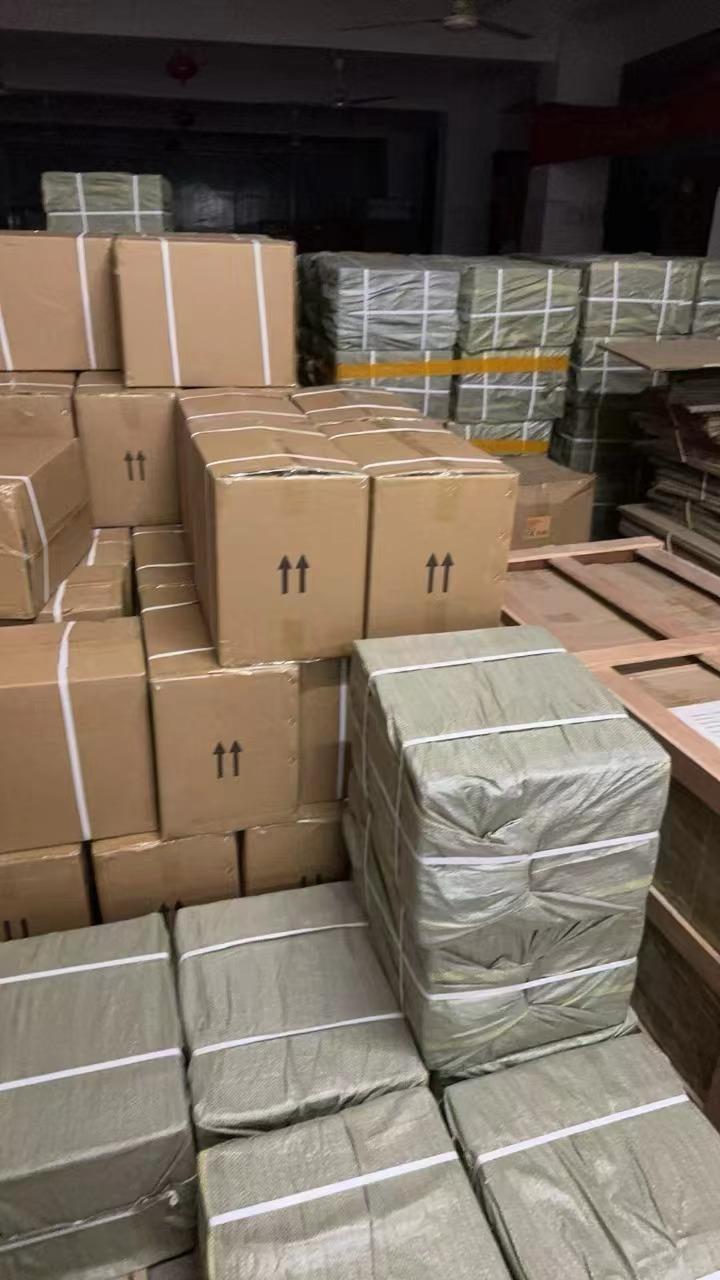
Warehouse receiving helps when the buyer needs carton checks, repacking, SKU separation, consolidation, loading preparation, or one final cargo list before shipment.
For shipment preparation after consolidation, buyers should also plan loading details, cargo records, and container preparation before goods leave China.
Confirm each supplier's delivery schedule
Before goods move, ask each supplier for the ready date, carton quantity, gross weight, carton dimensions, packing photos, contact person, and delivery method.
If one supplier is late, decide whether to wait, split the shipment, or adjust the loading plan. Do not discover the delay on loading day.
Keep receiving records
When goods arrive at the warehouse, record supplier name, arrival date, carton count, product category, visible carton damage, label photos, and any mismatch against the supplier's packing information.
Photos are helpful. They give the buyer a simple view of what has actually arrived.
Check packaging and labels
Different suppliers often pack goods differently. Some cartons are strong. Some are not. Some have clear shipping marks. Others use handwritten labels or no labels at all.
Before consolidation, check carton condition, shipping marks, SKU labels, product protection, pallet needs, and whether the packaging is suitable for export.
Repack before loading if needed
Repacking may be needed when cartons are damaged, labels are wrong, products need stronger protection, small cartons need grouping, or SKUs need clearer separation.
Repacking should happen before loading day. Last-minute repacking is slower, messier, and more likely to create mistakes.
Prepare a consolidation list
A consolidation list should include supplier name, product name, SKU, quantity, carton count, gross weight, carton size, total volume, packing status, and destination.
This list helps the buyer, warehouse, and forwarder work from the same information.
Coordinate loading early
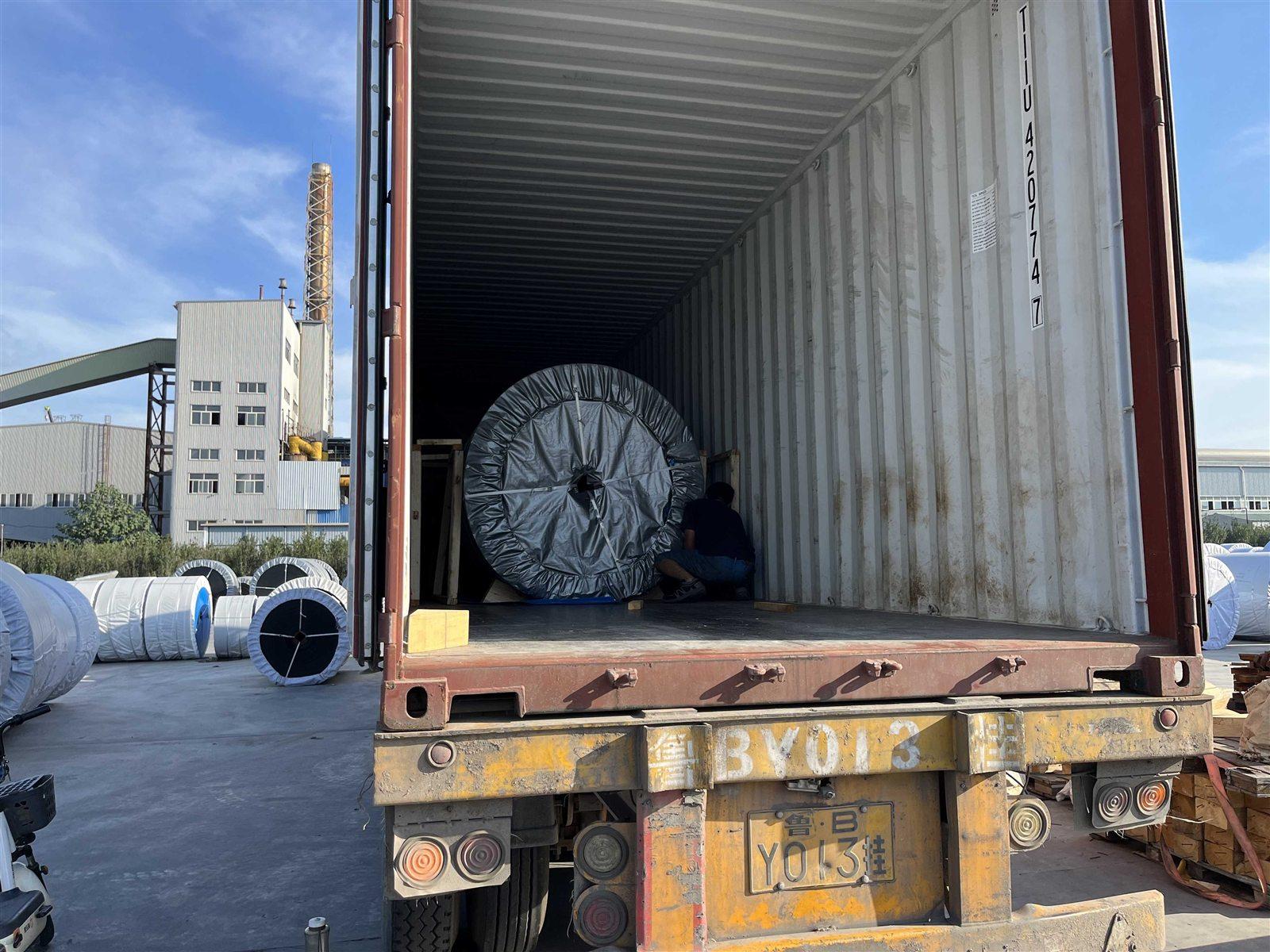
Before loading, confirm whether all goods have arrived, all cartons are checked, labels are correct, repacking is finished, and the loading date is confirmed.
For a detailed loading checklist, see our China container loading checklist for overseas buyers.
If the buyer needs loading photos or videos, tell the warehouse before the container arrives.
Share clean details with the forwarder
The forwarder may need cargo ready date, warehouse address, carton quantity, gross weight, volume, destination port, container type, cut-off date, and document information.
For the handoff between China suppliers, warehouse, and shipping agents, see our guide on China freight forwarder and shipping agent handoff checklist.
Bad cargo data can create booking problems. Clean data makes shipping easier.
How Alex Trading Group can help
Alex Trading Group can support warehouse receiving, short-term storage, carton checks, repacking, consolidation, loading preparation, and shipment planning where applicable. Buyers who need this China-side handling can review our inspection, warehouse, and shipment support.
If you are sourcing from multiple suppliers, send supplier lists, product details, carton information, destination, timeline, and forwarder details if available.
FAQ
When should I consolidate goods in China?
Consolidation is useful when goods come from several suppliers and need to be checked, repacked, grouped, or loaded together.
Can consolidation reduce shipping confusion?
Yes. It creates one clearer cargo plan instead of several disconnected supplier deliveries.
What should I prepare?
Prepare supplier names, product lists, quantities, carton counts, ready dates, warehouse needs, destination, and forwarder details if you already have them.